How to Write and Publish an Article on iPublisher CMS
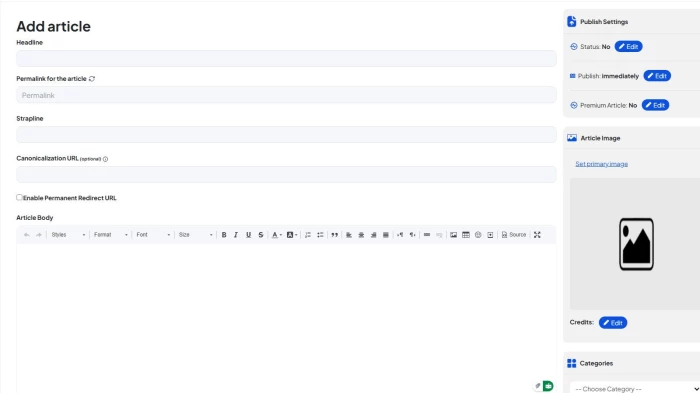
Publishing an article on iPublisher CMS is simple and efficient. Follow the steps below to create and publish your article
Method of Publishing an Article
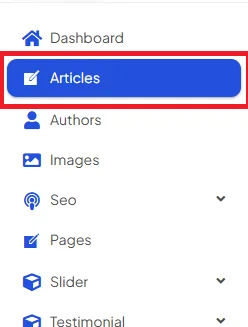
Step 1: Login to CMS and Navigate to the Articles Section
Start by logging into your iPublisher CMS account. Once you're logged in, go to the Articles section from the side menu.
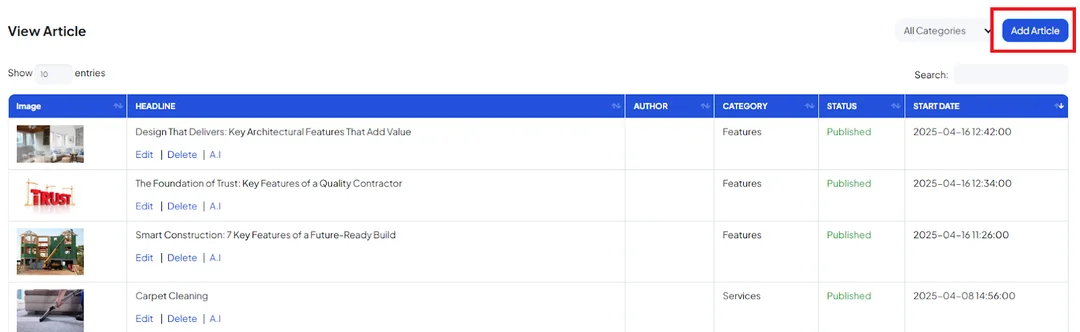
Step 2: Add a New Article
Click on the Add Article button to begin creating your new piece.
Step 3: Fill Out Article Details
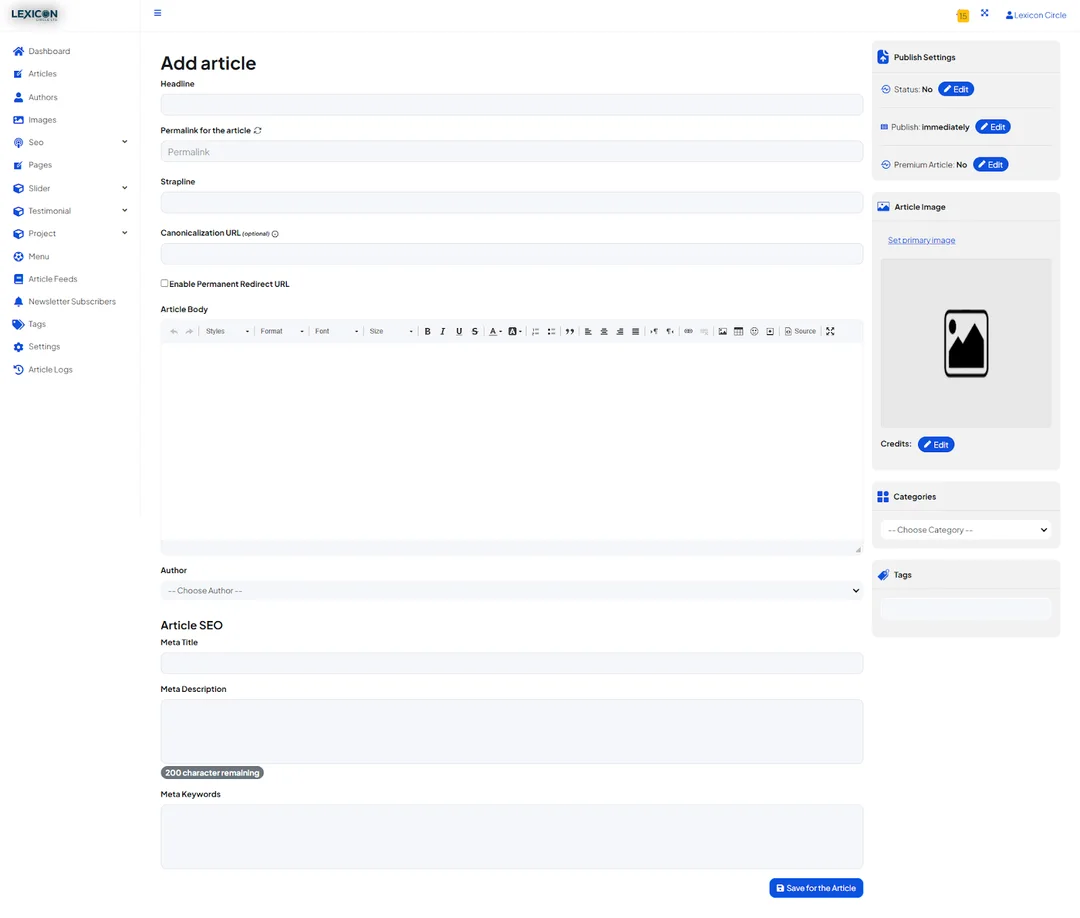
You’ll need to provide essential details for your article. These include:
- Headline: The main title of your article.
- Permalink: Customize the URL for the article.
- Strapline: A brief subtitle or introductory line.
- Canonicalization URL: This is optional. If you want to specify the original source of the content, you can add it here.
- Article Body: The main content of your article.
- Author: If applicable, include the name of the author(s).
- SEO Information: Improve visibility by adding the following SEO elements:
- Meta Title: The title of your article for search engines and browser tabs.
- Meta Description: A brief summary of the article that appears under the title in search results.
- Meta Keywords: Specific words or phrases related to your article, helping with SEO.
Step 4: Add a Heading Image
You can enhance your article by adding a primary (heading) image.
- On the right panel, click Set Primary Image.
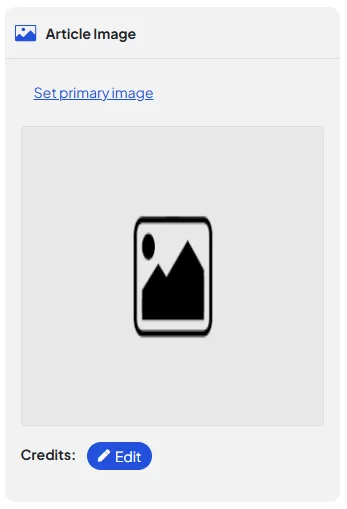
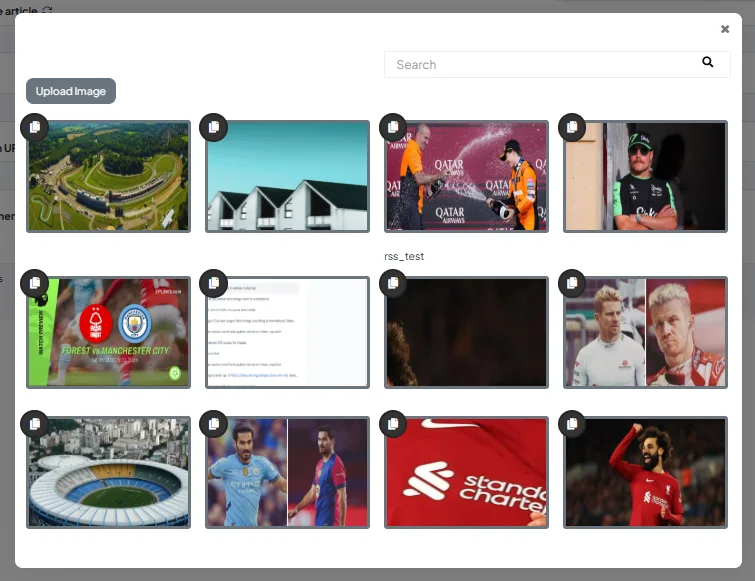
- A window will appear, allowing you to either:
- Upload a new image using the Upload button, or
- Select an image from previously uploaded ones.
- When uploading a new image, you’ll be asked to choose between:
- Upload Article Image (recommended size: 1600 × 900 pixels)
- Upload Author Image (recommended size: 400 × 400 pixels)
- Drag and drop the image into the designated area or use the file picker.
- Fill in the following optional fields:
- Title
- Caption
- Image Credits
- Keywords
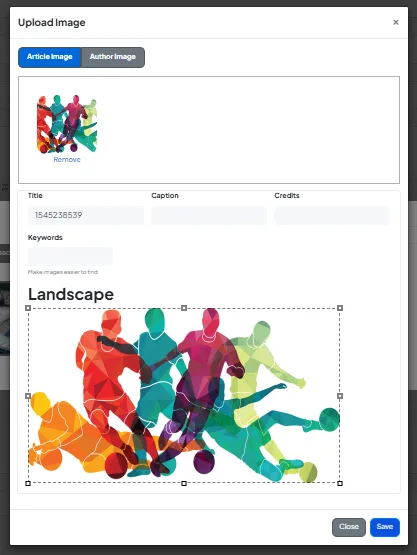
- Once all details are filled in, click Save to apply the changes.
Step 6: Insert an Image Within the Article Body
- Navigate to the article body.
- You can insert an image in either of the following ways:
- Drag and drop an image into the desired location within the text.
- Or click the image icon located at the top left of the article body editor.
Step 7: Select Categories
- Select the appropriate category for your article to help it get displayed correctly on the website.
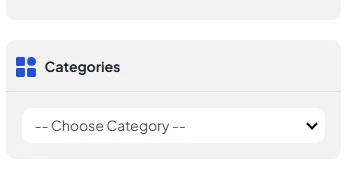
Once all the necessary fields are filled out, click Update at the end of the page to save your article as a draft.
Step 8: Publish the Article
To publish your article:
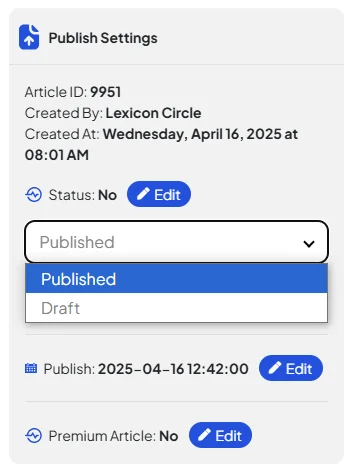
- Navigate to the Publish Settings section.
- Click on Status Edit and select Published from the dropdown menu.
- Don’t forget to click Update at the bottom of the page to finalize the publication.
Step 9: Rewrite Using AI (Optional)
If you want your article to be rewritten by AI:
- Click on AI under the article.
- The system will begin processing the article, and once complete, click Edit.
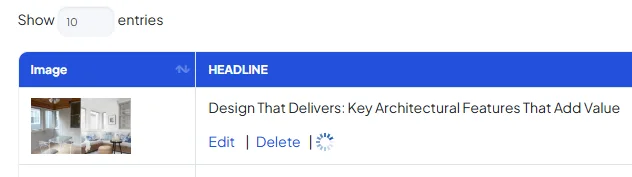
- Change the status to Published and click Update. Your article will now go live on the website.
Need More Help?
If you need assistance with any specific part of the website setup or customization, feel free to consult our other help articles or contact our support team. We’re here to help!